
For twenty‑five Iowa winters, our family room had one persistent, icy villain: the old wood‑burning fireplace. Charming? Sure. Cozy when lit? Absolutely. But the moment the fire died down, the flue turned into a wind tunnel straight from the Arctic. Even with the damper closed, cold air would sneak in and settle across the room like an unwanted guest.
We tried everything — including a big square DIY blocker shoved into the fireplace opening. It worked, but let’s be honest… it wasn’t exactly a design statement.
This past year, we finally decided enough was enough.
The 3‑Hour Transformation
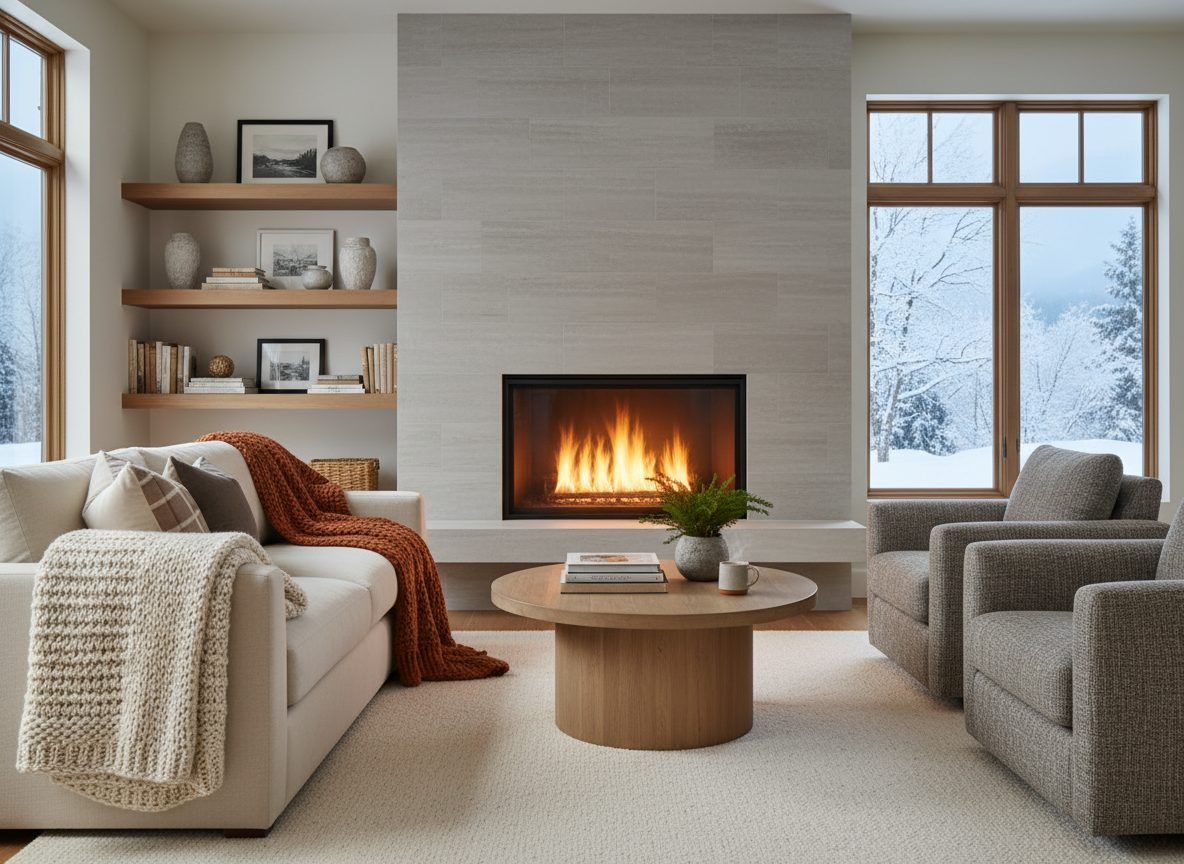
The demo and replacement process was surprisingly quick. Our “do-it-all” guy Jesse showed up, took one look at the old setup (part of which was literally embedded in concrete), and got to work. Within three hours:
- The old firebox was removed
- The concrete‑anchored components were freed
- Fresh insulation was added behind the opening
- The electrical was rewired
- And the new insert slid into place like it had always belonged there
It was one of those rare home upgrades where the “after” instantly made you forget the “before.”
Goodbye Logs, Goodbye Drafts, Goodbye Extra Costs
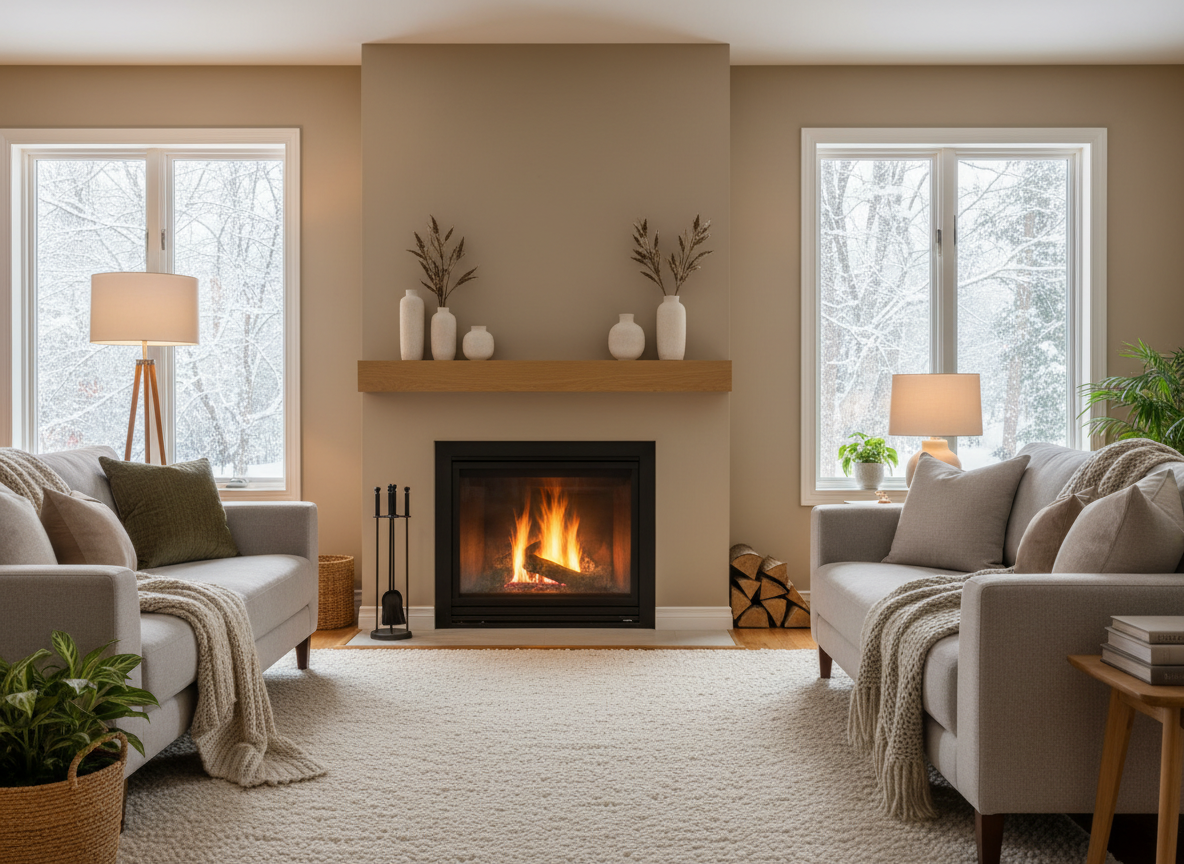
The lifestyle improvements hit immediately.
No more Duraflame logs. No more mid‑winter garage runs for firewood. No more wondering why the electric bill looked like we were secretly heating a second house.
The insert sealed off the biggest thermal leak in our home. The family room finally holds heat the way it should, and the whole space feels more comfortable — not just when the fire is on, but all day, every day.
A Hidden Bonus: Insurance Savings?
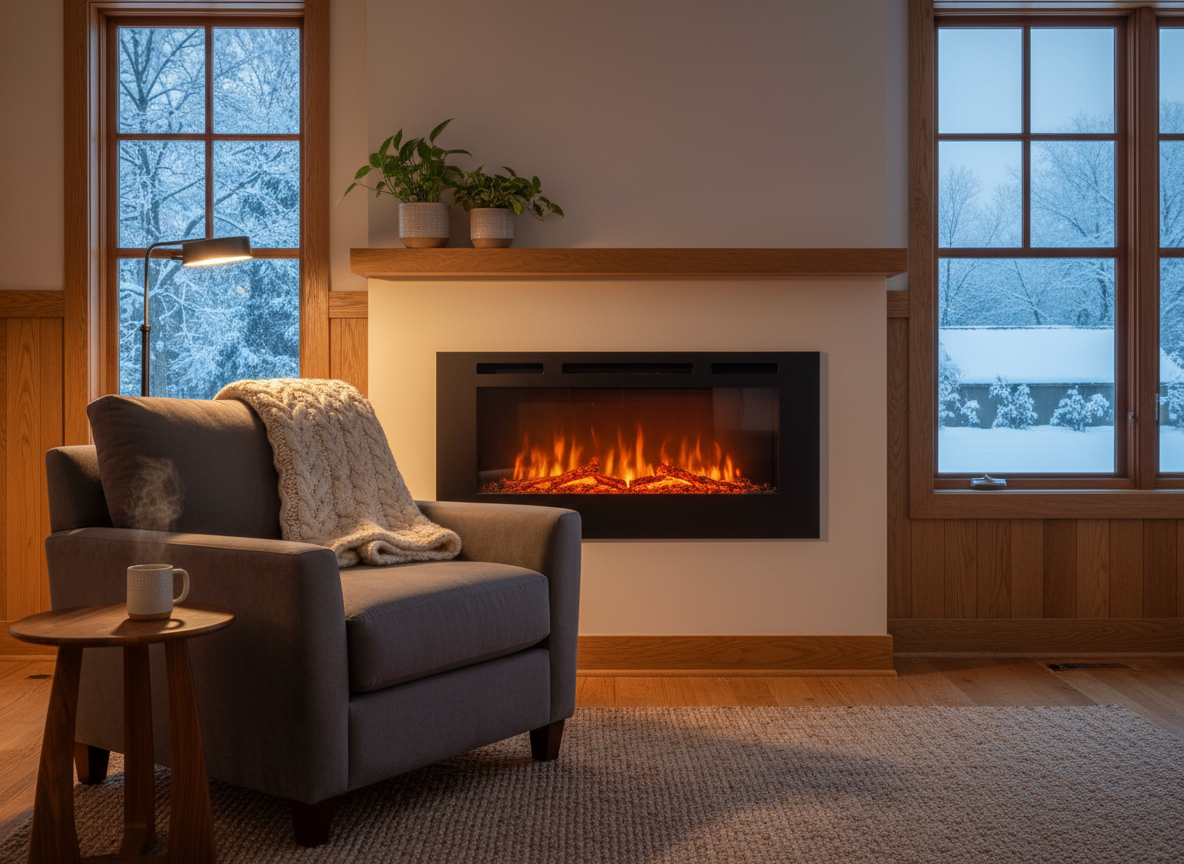
Here’s something I didn’t expect: switching from a wood‑burning fireplace to a sealed insert may actually lower your homeowners insurance premium.
Wood‑burning setups are considered higher‑risk — chimney fires, sparks, creosote buildup, smoke damage, you name it. Many insurers quietly add a surcharge for homes with traditional fireplaces.
Now that ours is gone, I’m digging into whether we’ve been paying a premium for the past 25 years. If so, removing it could save us money year after year.
If you’ve made a similar upgrade, it’s worth checking with your insurer. A quick call could put a little extra cash back in your pocket.
Final Thoughts
Replacing the old fireplace wasn’t just a cosmetic upgrade — it was a comfort upgrade, an energy upgrade, and potentially a financial upgrade. After decades of winter drafts and makeshift fixes, the family room finally feels like the warm, inviting space it was meant to be.
Note: Yes! This is our fireplace before and after.
If you’ve been battling a cold, drafty fireplace every winter, consider this your sign. The difference is night and day.


Hey there — I’m Jon. This is Moteventure, my corner of the internet where music, movies, lists, and life all collide. Glad you’re here.