
Budgeting often carries a negative reputation. Many associate it with restrictive spending, sacrificing joy, and constantly saying no to fun. But the truth is, a well-designed budget allows you to spend guilt-free on the things that truly matter to you, while cutting out the waste. Saving money doesn’t have to mean living a joyless life—it’s about spending intentionally and creating financial security without missing out on experiences.
1. Shift Your Mindset About Money

The first step in budgeting successfully is rethinking how you view money and spending. Instead of seeing budgeting as limiting, try viewing it as a strategy for maximizing happiness per dollar spent.
Ask yourself:
- What purchases and activities bring me genuine joy?
- What do I spend money on that isn’t truly fulfilling?
- Which financial habits cause stress rather than happiness?
When you shift your mindset from cutting costs to spending smarter, budgeting becomes an empowering tool rather than a burden.
Practical Mindset Shift: The “Joy-per-Dollar” Rule
Before purchasing something, ask yourself: “Does this bring me lasting happiness or value?” If the answer is “no,” then rethink the expense. Prioritizing purchases that enhance your life will make it easier to save without feeling deprived.
2. Build a Budget That Reflects Your Lifestyle

Too many budgets fail because they are overly restrictive or unrealistic. Your budget should work for you—not against you.
Here’s how to create a financial plan that balances responsibility with enjoyment:
- Track Your Spending: For a month, record all expenses—housing, groceries, entertainment, etc.—to see where your money goes.
- Identify Key Areas to Adjust: Find places where you overspend without true benefit, like unused subscriptions or impulse buys.
- Plan for Fun: Factor joy into your budget! Set aside money for dining out, travel, or hobbies—whatever makes life enjoyable.
- Set Savings Goals: Whether it’s an emergency fund, a vacation, or retirement planning, allocate funds for both short-term and long-term financial security.
Example Budget Categories
Instead of cutting entertainment entirely, adjust how you allocate funds:
| Category | Traditional Budgeting | Balanced Budgeting Approach |
|---|---|---|
| Entertainment | $0 (cut entirely) | $50 for affordable fun events |
| Dining Out | $150 (weekly dining) | $75 (occasional treats at favorite spots) |
| Travel | $200 (luxury trips) | $100 (affordable weekend getaways) |
By making small adjustments instead of eliminating enjoyment altogether, you’ll save without feeling deprived.
3. Spend Smarter, Not Less

You don’t have to stop spending—you just need to spend more strategically.
Smart Spending Strategies:
- Use the 24-Hour Rule: Delay unnecessary purchases for a day to avoid impulse buying.
- Embrace Coupons & Cashback: Use apps and credit card rewards to reduce costs.
- Find Free Alternatives: Swap expensive activities for community events, game nights, or outdoor adventures.
- Buy Quality, Not Quantity: A single well-made product is better than multiple cheap ones that need frequent replacement.
The “Cost vs. Value” Approach
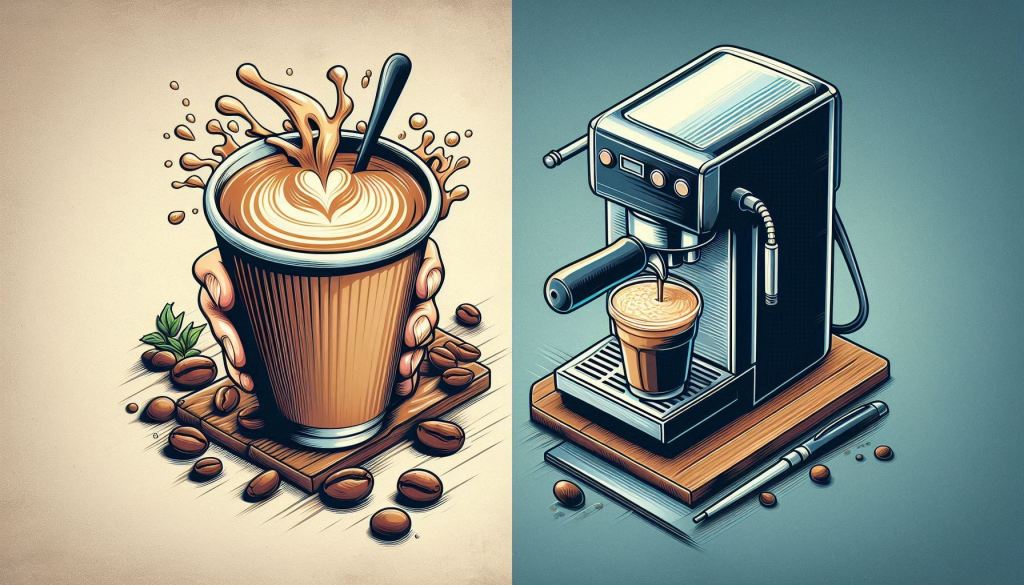
If you’re debating a purchase, ask yourself: Does this item bring lasting value?
- Example: Buying an expensive coffee daily ($150/month) versus investing in a high-quality home espresso machine ($200 one-time cost).
Small adjustments don’t mean sacrificing joy—they mean choosing the best way to spend your money efficiently.
4. Automate Savings to Make It Effortless

Saving money shouldn’t feel like a chore. Automating your savings makes it easier while requiring less effort and discipline.
Simple Ways to Automate Savings:
- Set up automatic transfers into a savings account every payday.
- Use the round-up method, where purchases are rounded up and the difference is added to savings.
- Create a monthly savings challenge—aim for a small goal each month, like saving an extra $50.
Savings Hack: The “Invisible Money Method”
Treat savings like an automatic bill payment—you’ll adjust your spending naturally when you don’t see the extra money in your checking account.
5. Choose Experiences Over Material Things

A common budgeting mistake is focusing too much on cutting small pleasures rather than prioritizing meaningful experiences.
Research shows that experiences lead to greater long-term happiness than material purchases.
Ways to Prioritize Experiences Over Things:
- Instead of shopping for clothes frequently → Invest in a memorable concert or trip.
- Instead of eating out daily → Host a potluck dinner or cook with friends.
- Instead of impulse purchases → Plan activities that create lasting memories.
Why Experiences Matter:
- They create lifelong memories.
- They strengthen relationships.
- They often cost less than luxury goods but provide deeper fulfillment.
Final Thoughts

Budgeting and saving money shouldn’t feel restrictive—it should help you live the life you want while securing financial stability.
Key Takeaways:
✅ Shift your mindset from cutting spending to spending intentionally. ✅ Build a realistic budget that reflects your priorities. ✅ Spend smarter, not less—find efficient ways to save while enjoying life. ✅ Automate savings to make financial security effortless. ✅ Focus on experiences over things for deeper fulfillment.
By adopting these strategies, you can budget wisely and save money—without sacrificing joy!

 MOTEVENTURE