
I’ve always enjoyed the page-a-day calendars that feature intriguing stories from history for every day of the year. Today’s post delves deeper into a mystery that today still remains unexplained. Who wouldn’t be fascinated by a story involving devils, treasure, “The DaVinci Code” and an untimely death?
Nestled in the Languedoc region of France, the small village of Rennes-le-Château has captivated treasure hunters, historians, and conspiracy theorists alike. The legend of its hidden wealth, secret societies, and cryptic messages has fueled speculation for over a century. But what is the truth behind the so-called Treasure of Rennes-le-Château?
The Origins of the Mystery
The story begins in the late 19th century with Bérenger Saunière, a local parish priest who suddenly came into a mysterious fortune. Saunière, once impoverished, embarked on an extravagant renovation of his church, built lavish structures, and lived a life far beyond his means. His unexplained wealth led to whispers—had he discovered a hidden treasure?
Saunière’s Renovations and Cryptic Clues
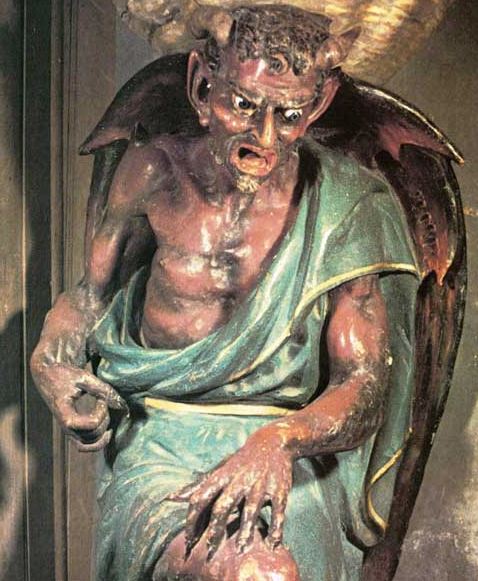
Saunière’s renovations were not just lavish but also peculiar. He constructed the Tour Magdala, a tower with esoteric symbols, and redesigned the Church of Saint Mary Magdalene, incorporating cryptic inscriptions and unusual artwork. One of the most famous elements is the bas-relief of Asmodeus, a demon associated with guarding secrets. Some believe these modifications were coded messages hinting at the treasure’s location.
Theories and Speculation

Over the years, numerous theories have emerged regarding the source of Saunière’s wealth:
The Lost Treasure of the Visigoths
Some believe he uncovered gold and relics hidden by the Visigoths after they sacked Rome in 410 AD. The Visigoths were known to have looted vast amounts of treasure, including the Menorah from the Second Temple of Jerusalem. Could Saunière have stumbled upon this ancient hoard?
The Secret of the Knights Templar
Others suggest he found documents revealing the fate of the legendary Knights Templar, possibly linked to the Holy Grail. The Templars were rumored to have amassed great wealth before their persecution in the 14th century. Some theorists argue that Rennes-le-Château was a Templar stronghold, and Saunière uncovered their hidden riches.
A Vatican Payoff
Some argue that Saunière was paid by the Catholic Church to keep a secret—perhaps one that could shake the foundations of Christianity. This theory suggests he discovered ancient manuscripts that challenged traditional religious narratives, prompting the Vatican to silence him with wealth.
The Priory of Sion and the Bloodline of Christ
One of the most sensational theories involves the Priory of Sion, a secret society allegedly protecting the bloodline of Jesus Christ. Some claim Saunière found evidence that Jesus had descendants, a revelation that would have disrupted Christian doctrine. This idea was popularized by books like The Holy Blood and the Holy Grail and The Da Vinci Code.
The Hoax and the Truth

While the mystery of Rennes-le-Château has inspired books, documentaries, and even The Da Vinci Code, researchers have debunked many of the more fantastical claims. Some historians argue that Saunière’s wealth came from selling masses and indulgences, rather than from a hidden treasure. Others believe the entire legend was fabricated by later writers to create intrigue.
The Role of Noël Corbu
In the 1950s, Noël Corbu, a local businessman, embellished the story to attract visitors to his hotel. He claimed Saunière had discovered a vast treasure, fueling speculation and turning Rennes-le-Château into a tourist hotspot. His tales were later expanded upon by authors, leading to the modern-day legend.
The Mysterious Parchments
Some accounts suggest Saunière found parchments hidden in the church, containing coded messages. These documents allegedly referenced hidden knowledge, but their authenticity remains questionable. Some believe they were forgeries, created to add mystique to the story.
The Legacy of Rennes-le-Château

Despite the skepticism, Rennes-le-Château remains a magnet for those seeking adventure and mystery. Whether or not a treasure ever existed, the village has become a symbol of historical intrigue, blending fact and fiction into an irresistible tale.
Modern-Day Treasure Hunters
Even today, treasure hunters scour the area, hoping to uncover hidden riches. Some use ground-penetrating radar, while others rely on esoteric clues left behind by Saunière. The allure of Rennes-le-Château continues to captivate those who believe the mystery is yet to be solved.
The Enigmatic Legacy of Bérenger Saunière
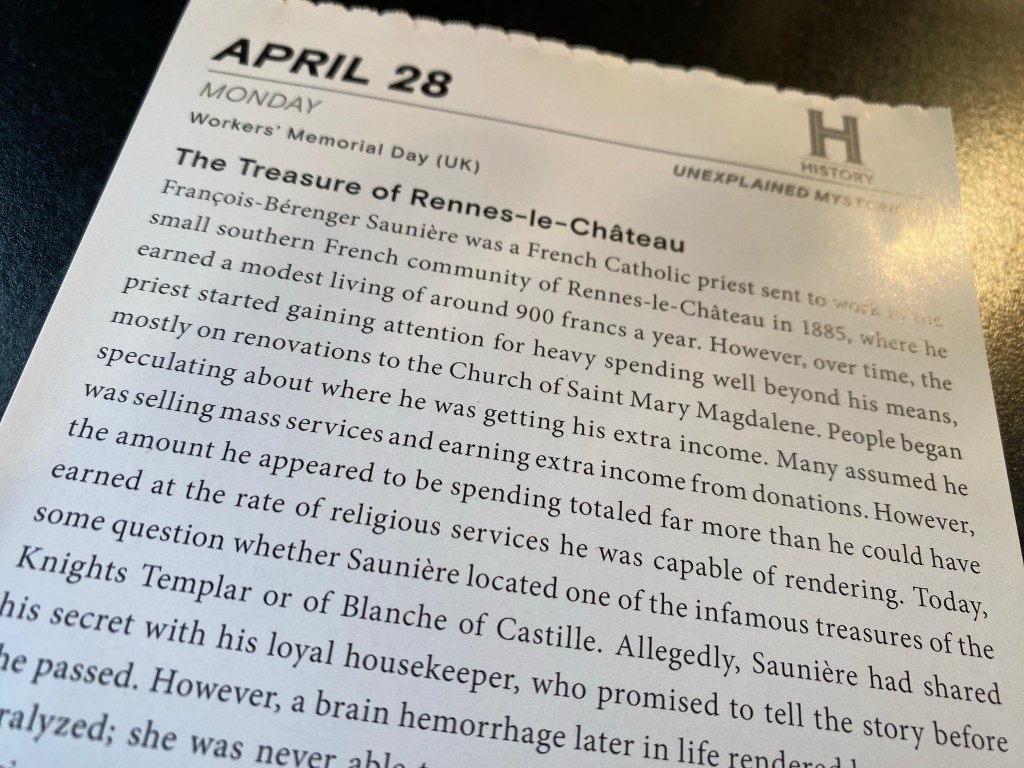
According to some theories surrounding the enigmatic life of Bérenger Saunière, the local priest believed to have uncovered the secrets of Rennes-le-Château, he entrusted a portion of his clandestine knowledge to his loyal housekeeper, Marie Dénarnaud. Allegedly, Saunière revealed details about the hidden treasure and the mysteries surrounding it to her, hoping she would keep the secret safe until the right moment. However, tragedy struck when Marie died unexpectedly, taking with her the insights she had been privy to. This untimely demise has fueled speculation and intrigue, leading many to wonder if her death was merely a coincidence or if it was somehow tied to the very secrets she was meant to protect. The loss of her potential testimony left a gaping void in the narrative, intensifying the mystery that continues to surround Rennes-le-Château.
A Cultural Phenomenon
The legend has inspired books, films, and documentaries, cementing Rennes-le-Château’s place in popular culture. Whether viewed as a historical enigma or a fabricated hoax, the tale of Rennes-le-Château remains one of the most enduring mysteries of our time.
So, was there ever a treasure? Or was the real treasure the legend itself? That’s for you to decide.

 MOTEVENTURE