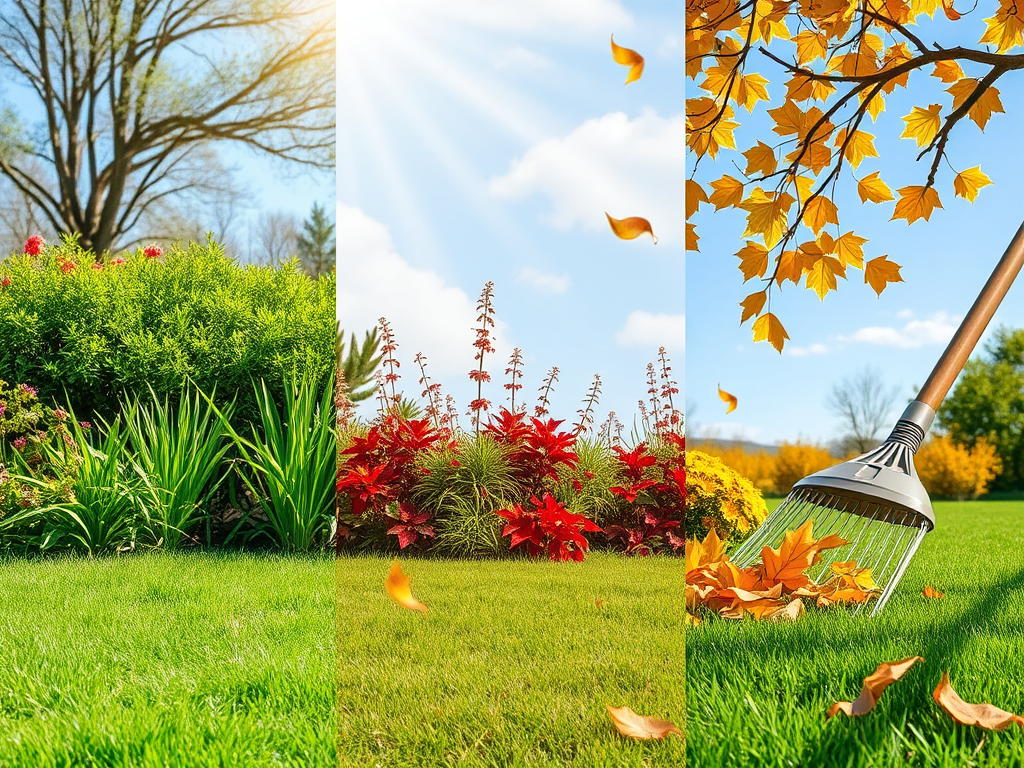
Like many homeowners, I take considerable pride in maintaining a lush, green lawn that flourishes in the spring. However, this year, I have observed a concerning circular area of soil around my birch tree that has turned severely brown and appears to be in a state of decline.
Achieving a green and lush lawn is all about planning and consistency. While I study to find a solution for my own lawn troubles, here’s a concise, step-by-step schedule to keep your lawn healthy and thriving, starting now and extending all the way to winter!
Early Spring (March to April)
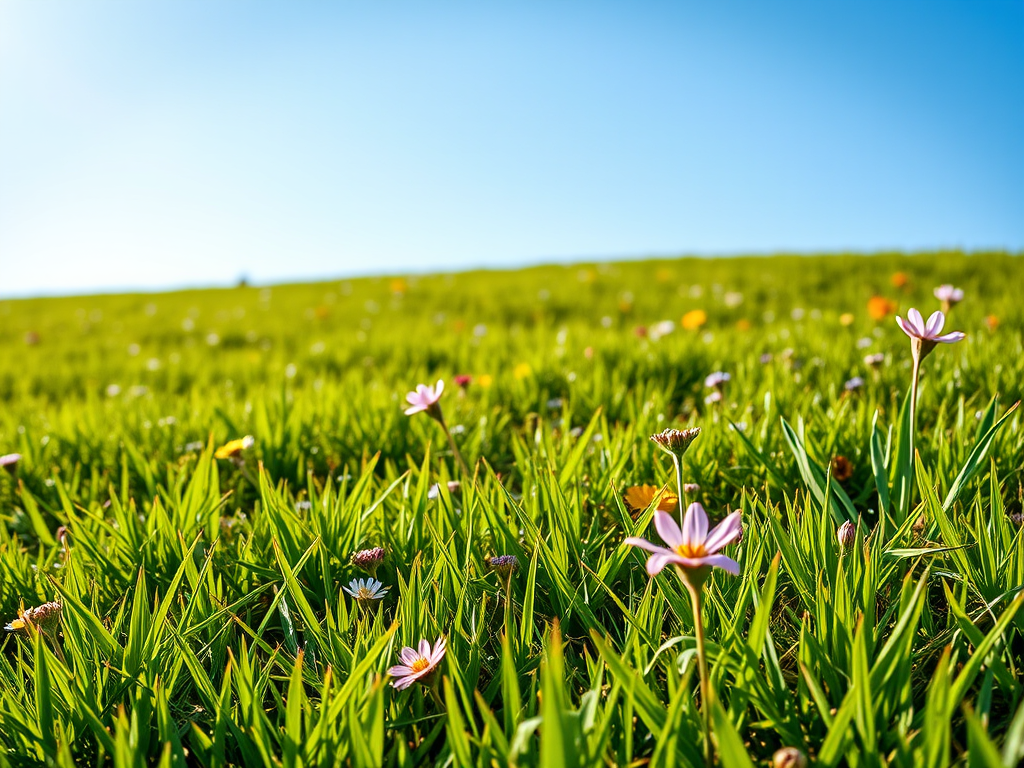
EARLY SPRING
- Apply pre-emergent crabgrass preventer: In southern states like Florida, Texas, or Georgia, you may apply this as early as late February. In northern states like Minnesota, Michigan, Iowa or Maine, aim for late March to early April when soil temperatures hit 55°F.
- Light fertilization: Similar timing as the crabgrass preventer. Use a balanced fertilizer to gently wake the lawn after winter.
Late Spring (May to Early June)
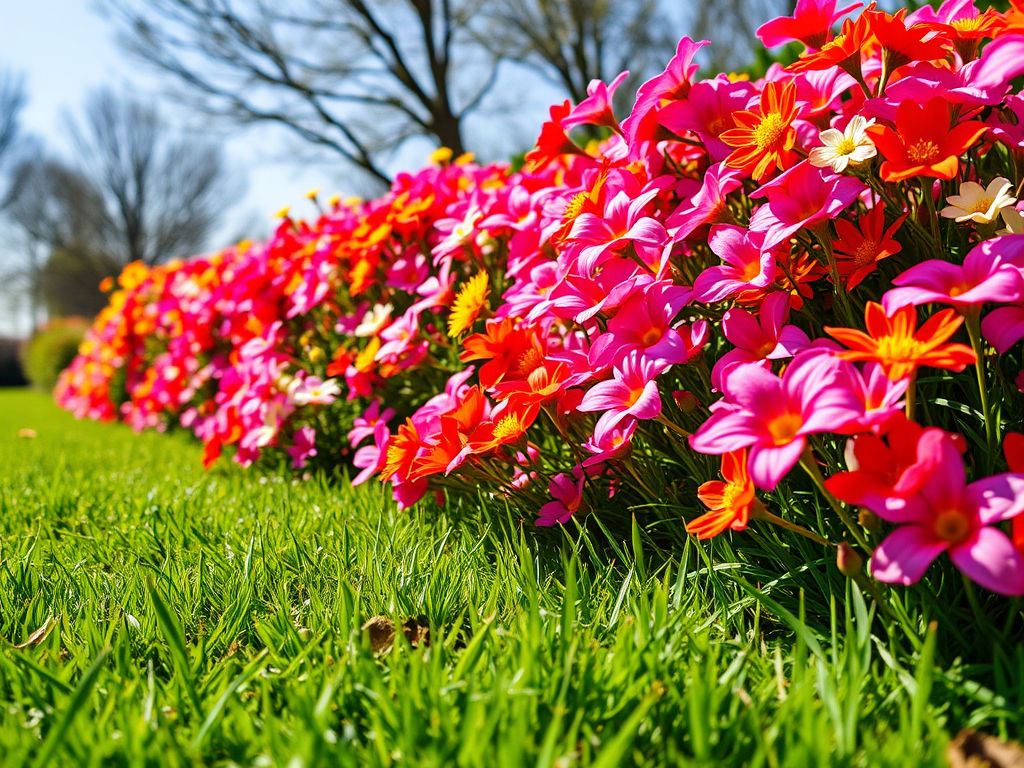
LATE SPRING
- Treat weeds: May is ideal for targeting weeds as they begin to grow actively. In cooler climates, this can extend into early June.
- Overseed sparse areas: Reseeding can be done during this period to fill in thin spots.
- Mow properly: Start regular mowing in May, adjusting blade height based on your grass type and regional conditions.
Summer (June to August)

SUMMER
- Water deeply and consistently: Especially in hot southern states like Arizona or California, water in early morning or evening to avoid evaporation. Northern states may need less frequent watering due to cooler summer temperatures.
- Check for pests: Treat pests as needed, particularly during July when infestations tend to peak.
- Aerate compacted soil: If heavy foot traffic or clay soil causes compaction, consider aerating in midsummer.
Late Summer/Early Fall (August to September)
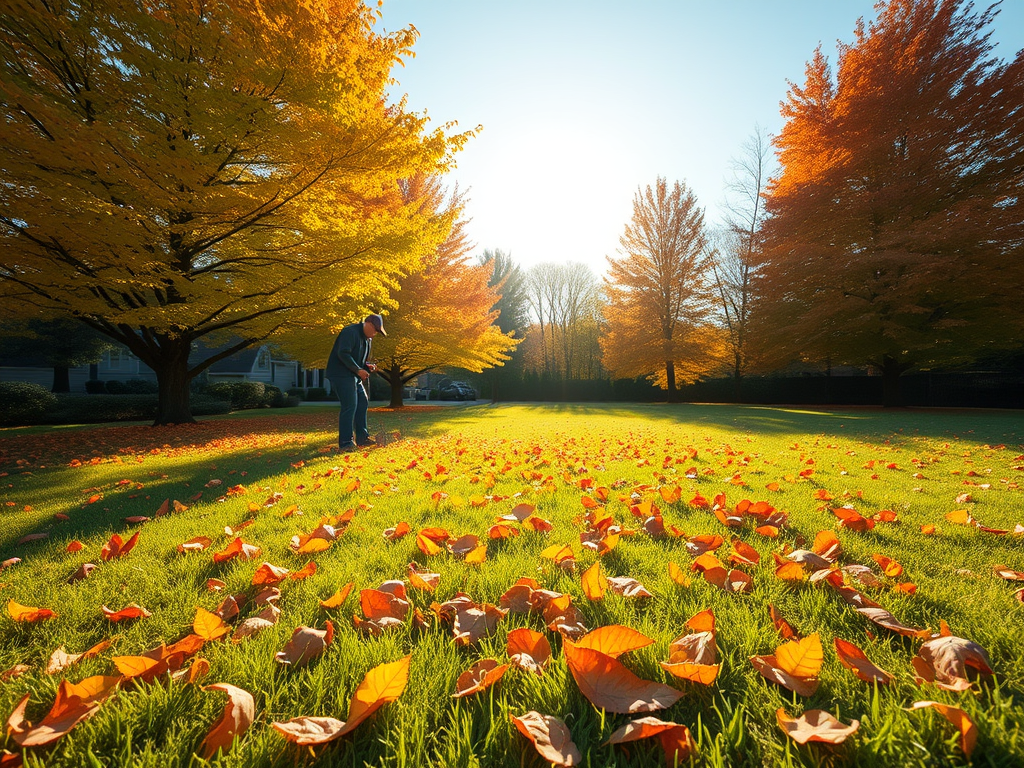
FALL
- Apply a high-phosphorus fertilizer: Southern lawns can benefit from this in August, while northern lawns can apply it in early September.
- Address lawn diseases: Inspect for brown patches, especially after humid conditions.
- Dethatch and overseed: In northern regions, late summer through September is perfect for overseeding and repairing thin spots.
Fall into Winter (October to November)
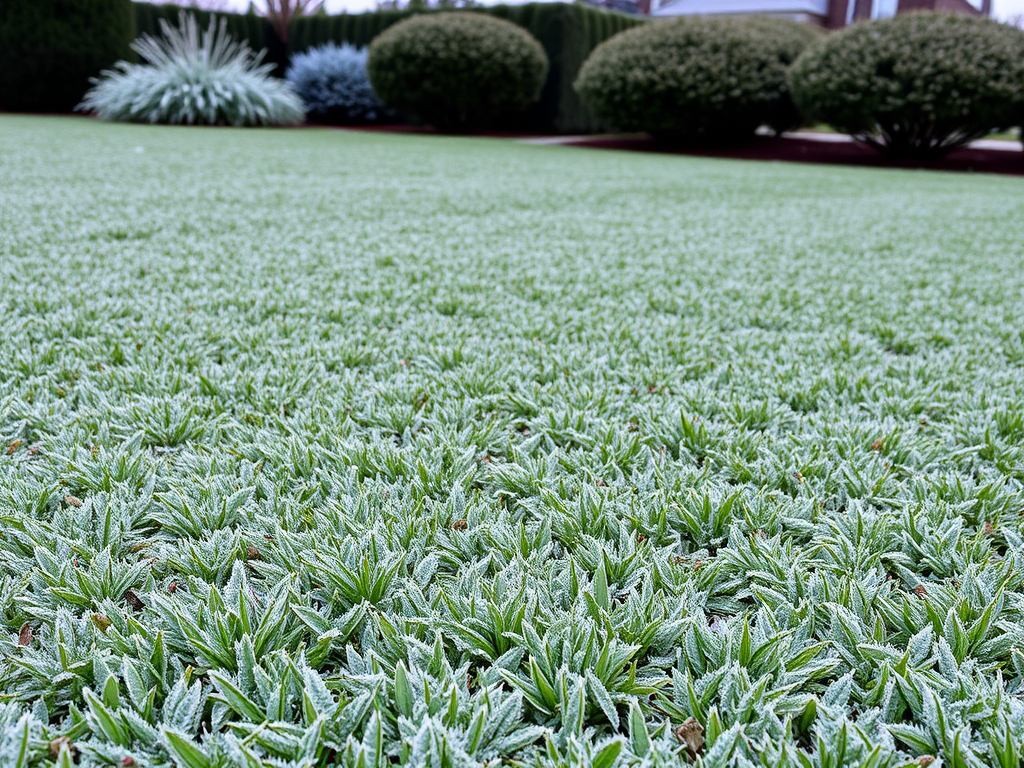
WINTER
- Apply fall fertilizer: Use winterizer fertilizer in early October (northern states) or late October (southern states).
- Mow shorter: Gradually reduce mowing height from October to November.
- Remove leaves and debris: Clean up fallen leaves promptly, as snow will soon arrive in northern regions.
- Winterize irrigation systems: Drain sprinklers and hoses by mid-November in areas prone to freezing temperatures.
This plan is a guideline, so adjust based on your local climate and the type of grass in your lawn (e.g., warm-season or cool-season grasses). Following these steps should set you up for year-round success across the U.S.!

 MOTEVENTURE