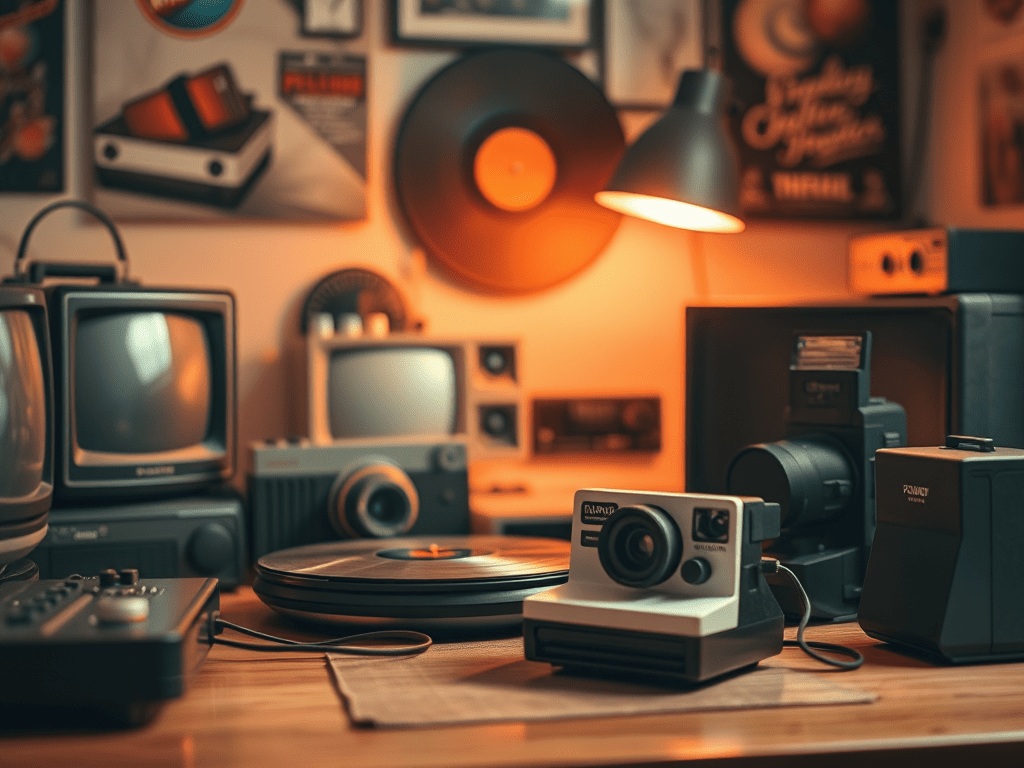
Everywhere you look, the past is making a comeback—and it’s not just in fashion or music. In the digital era, nostalgia has found a new home, sparking an obsession with resurrecting the old and blending it with the new. From retro gaming to Polaroid-style photo filters, we’re designing our digital lives with one foot in the past and the other firmly in the future. But why are we so enthralled by this digital nostalgia? And what does it reveal about our current culture?
Comfort in the Familiar

Nostalgia has always been a powerful emotional force. It’s a longing for what we perceive as simpler, happier times—a way to connect with our personal history. In the fast-paced, ever-changing digital age, the past feels like a safe haven, a space untouched by the stress of modern life.
This yearning has been monetized brilliantly. Consider Nintendo re-releasing classic gaming consoles like the NES Classic Edition or the surge in popularity of old-school Tamagotchis. These aren’t just products; they’re gateways to a time when life felt less complicated. The emotional payoff of re-experiencing these fragments of the past is enormous, and companies are cashing in.
Digital Aesthetics, Powered by Memory

It’s not just about reliving the old—it’s about remixing it. The aesthetics of vintage tech are being reimagined for modern audiences. Apps like Instagram mimic the grainy textures of disposable cameras, while Spotify playlists are filled with lo-fi beats that recall the crackle of vinyl records.
Even in design, retro elements are making waves. Websites styled with ’90s-era interfaces, pixel art, and neon fonts are popping up everywhere, catering to a generation that grew up with dial-up tones and floppy disks. The rise of these digital throwbacks suggests a collective craving for the texture and imperfection of analog life in an increasingly sanitized digital world.
A Rebellion Against Modernity

There’s also a defiant edge to our digital nostalgia. As technology grows more intrusive and overwhelming, looking backward feels like reclaiming control. Retro aesthetics are a rebellion against the sleek homogeneity of modern tech.
By turning to the past, we’re critiquing the very trajectory of innovation. The irony, of course, is that this rebellion is often mediated through modern digital platforms. Still, it’s a fascinating interplay between rejecting and embracing technology.
What Does It Say About Us?
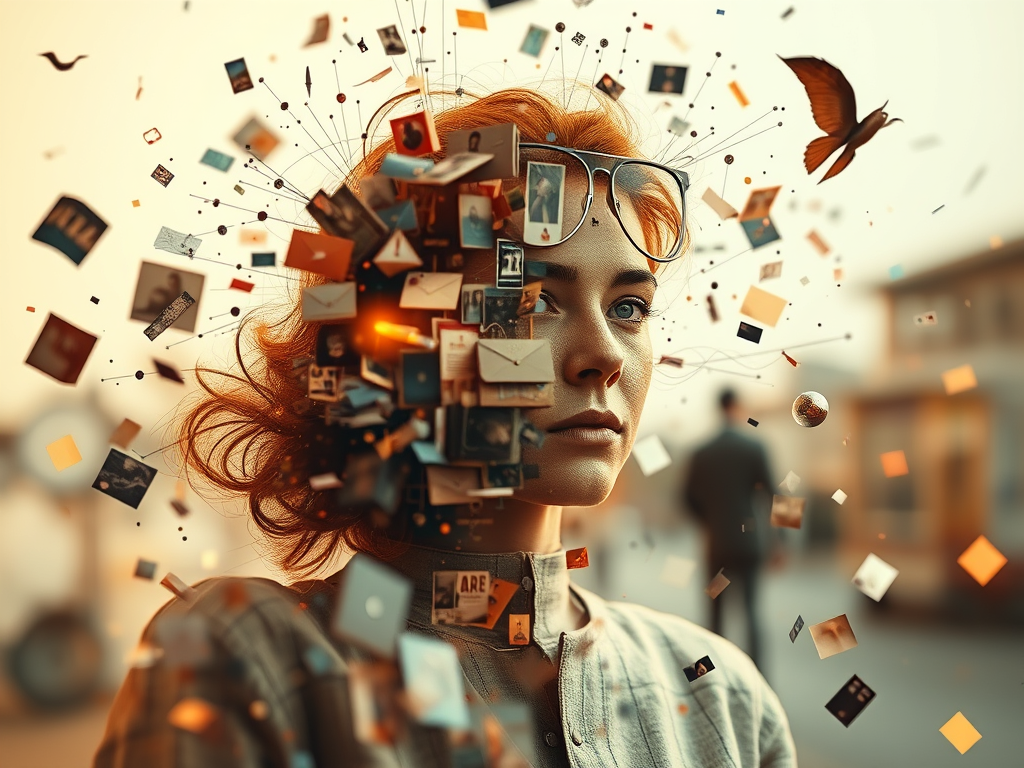
Our obsession with digital nostalgia speaks volumes about the human condition. It reveals our desire to slow down and reconnect with what feels authentic. It’s a coping mechanism in an era defined by rapid change, uncertainty, and over-saturation. But it also highlights our remarkable ability to reinterpret the past, blending memory with creativity to craft something entirely new.
Looking Forward by Looking Back
Digital nostalgia isn’t just a trend; it’s a cultural phenomenon that taps into deep-seated human emotions. As we straddle the line between past and future, it’s clear that our history will continue to influence how we interact with technology. So, the next time you dust off an old Game Boy emulator or post a sepia-toned selfie, take a moment to reflect: you’re not just looking back—you’re reimagining what comes next.

 MOTEVENTURE