


Logically speaking, I’m not very superstitious—sure, I tend to avoid stepping on a crack when out walking my dog, even though my Mom passed away more than 20 years ago so there’s no chance of any back-breaking happening. But do I really believe that there are serious and unavoidable repercussions to such actions? Not so much.
Common Superstitions?
The Number 13
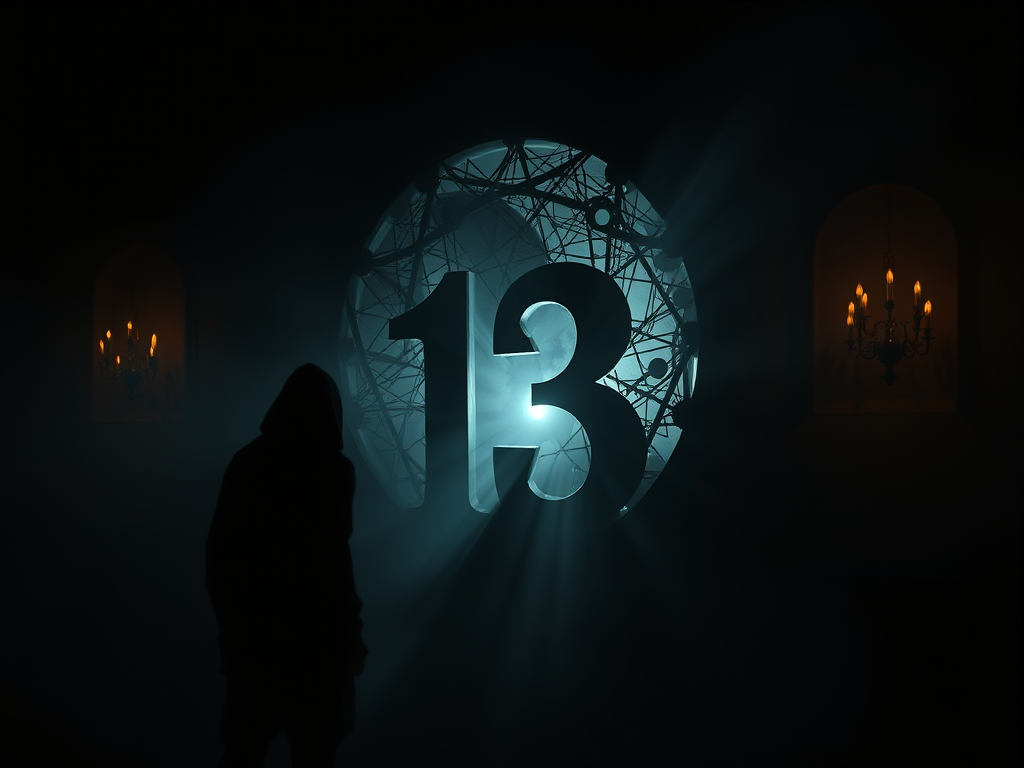
Throughout history, superstitions have woven themselves into the fabric of cultures around the world, influencing behaviors and beliefs in significant ways. One of the most common superstitions is the fear of the number 13, often considered unlucky, leading to the avoidance of it in many contexts, from hotel room numbers to Friday the 13th. This aversion is so pervasive that many buildings skip labeling the 13th floor altogether, opting instead for a 12A or simply moving straight to 14. Moreover, the fear of 13 extends beyond individual beliefs; it can be seen in various cultural narratives and folklore that depict the number as a harbinger of misfortune. In some traditions, a gathering of 13 people is believed to foretell a death among them, further solidifying the negative connotations associated with the number. Such ingrained superstitions highlight how collective beliefs can shape societal norms, often leading individuals to make decisions based not on rational thinking, but rather on deeply rooted cultural anxieties and myths that have persisted through generations.
Mirrors and Bad Luck

Similarly, breaking a mirror is believed to bring seven years of bad luck, a belief rooted in ancient cultures that viewed mirrors as portals to the soul. These superstitions trace back to early civilizations, where mirrors were not merely reflective surfaces but were thought to possess magical properties that could reveal hidden truths about oneself or even connect to other realms. The duration of seven years specifically correlates to the idea that it takes a full cycle of life to restore balance and harmony after such a disruption. This enduring myth has persisted through generations, often reinforced by tales and anecdotes shared in various cultures, leading people to approach mirrors with a mix of reverence and caution. Thus, the act of breaking a mirror remains a cautionary tale that highlights our intrinsic fear of fate and the unknown, urging us to be mindful of our reflections in both literal and metaphorical senses.
Black Cats
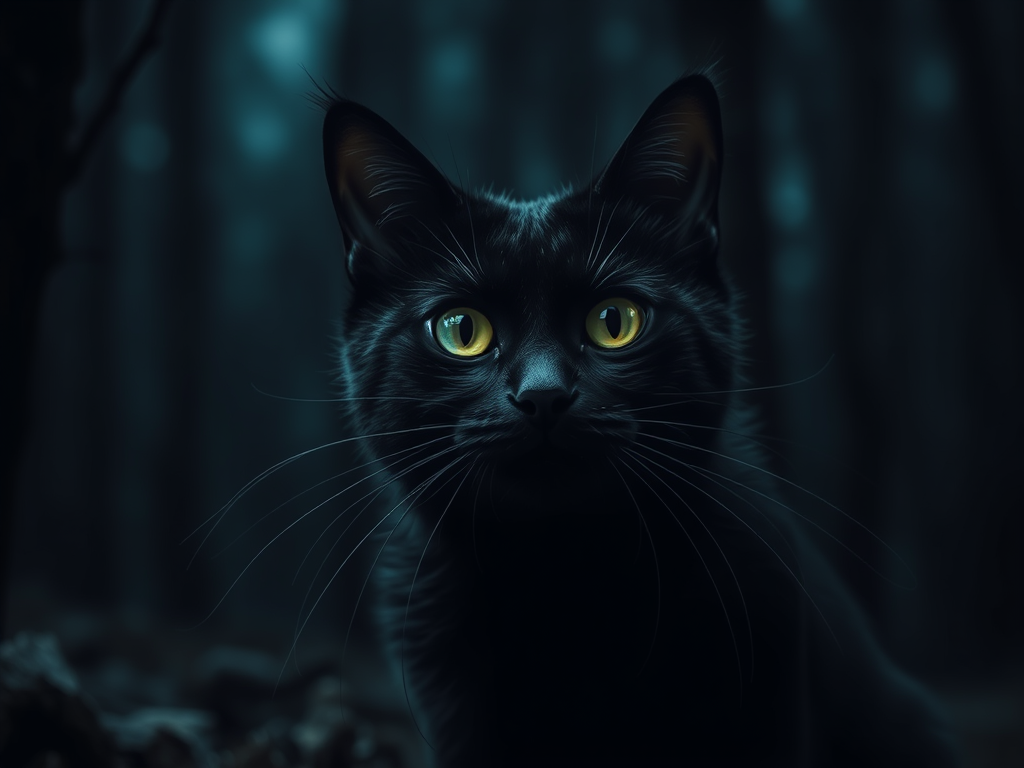
In contrast, the sighting of a black cat is interpreted differently across various cultures; while in parts of Europe it signifies bad luck, often associated with superstitions surrounding witchcraft and the occult, in others, it is seen as a good omen, symbolizing prosperity and protection. For instance, in some regions of Japan, black cats are believed to bring good fortune and are often welcomed into homes as cherished companions. Additionally, in Scottish folklore, the appearance of a black cat at a doorstep is thought to herald prosperity and wealth. These contrasting beliefs highlight the rich tapestry of cultural interpretations surrounding black cats, showcasing how a single creature can evoke both fear and reverence depending on the societal context.
Walking Under a Ladder

Walking under a ladder is a common superstition that many people avoid, stemming from the triangular shape created by the ladder against a wall, which is often associated with the Holy Trinity in Christian symbolism. To walk beneath it is believed to disrupt the balance of this sacred figure, inviting misfortune or bad luck. This superstition has transcended cultures, embedding itself in societal behaviors. The fear of walking under ladders can lead individuals to take extra precautions in their daily lives, often making decisions based not on logic, but on an ingrained belief in the potential for negative outcomes. Beyond personal beliefs, this superstition showcases how collective fears can influence actions, reinforcing a cultural narrative that values caution and the avoidance of perceived dangers. Such behaviors reflect a broader human tendency to seek explanations for the unknown, using superstitions as a means of navigating uncertainties in life.
While the aforementioned superstitions are what I would term “classic”, there are a number of others that have more modern origins.
- Avoiding the Number 4: In some East Asian cultures, particularly in China, the number 4 is avoided because it sounds similar to the word for “death.” Buildings may skip the fourth floor, and people may steer clear of the number in general.
- The Evil Eye: This belief, prevalent in Mediterranean and Middle Eastern cultures, holds that a malevolent glare can bring misfortune or bad luck. To counteract this, people often wear amulets or talismans, such as blue eyes or other symbols of protection.
- Opening an Umbrella Indoors: Many believe that unfolding an umbrella inside is bad luck. This superstition likely originated from the idea that it offends the spirits or the protection the umbrella provides in the outside world.
- Throwing Salt Over Your Shoulder: Spilling salt is thought to be bad luck, and throwing a pinch of it over your left shoulder is said to ward off the evil spirits that may cause misfortune.
- Finding a Penny: The saying “Find a penny, pick it up, and all day long you’ll have good luck” suggests that finding money, even small amounts, brings good fortune. This superstition emphasizes the positive impact of small, unexpected gains.
- Knocking on Wood: People often knock on wood to avoid tempting fate after making a hopeful statement or expressing a desire. This practice is rooted in ancient beliefs that spirits reside in trees, and knocking on wood can invoke their protection.
- The Curse of the Bambino: This is a modern superstition related to the Boston Red Sox baseball team, which believed that trading away Babe Ruth would bring a curse, leading to an 86-year championship drought.
- Number 10: In some sports, particularly basketball, missing a free throw during a game is believed to bring bad luck for future shots. Players often overthink their numbers, leading them to perform differently based on superstitions.
- Stepping in Dog Poop: In various cultures, stepping in dog feces is viewed as a bad omen. Conversely, some believe it can bring good luck if the poop is from the left foot, leading to mixed behaviors based on superstition.
- Friday the 13th: Although the number alone is concerning, combining it with Friday is considered unlucky in many Western cultures, leading to various precautions, such as avoiding travel, making significant purchases, or starting new ventures, due to the historical association of the number 13 with misfortune.
As we explore superstitions in our lives, it’s fascinating to consider how these beliefs influence our actions and thoughts, often subconsciously. Whether you cross your fingers for luck or avoid cracks in the pavement, superstitions prompt reflection on your feelings and experiences. Do they bring comfort or anxiety? Are you a believer or a skeptic? Regardless of your perspective, consider how these beliefs shape your daily life and mesh with your logical thinking. Ultimately, superstitions highlight our shared humanity, connecting our hopes, fears, and life’s mysteries.
Do I personally buy into them? Not for a moment!

 MOTEVENTURE