


Badly.
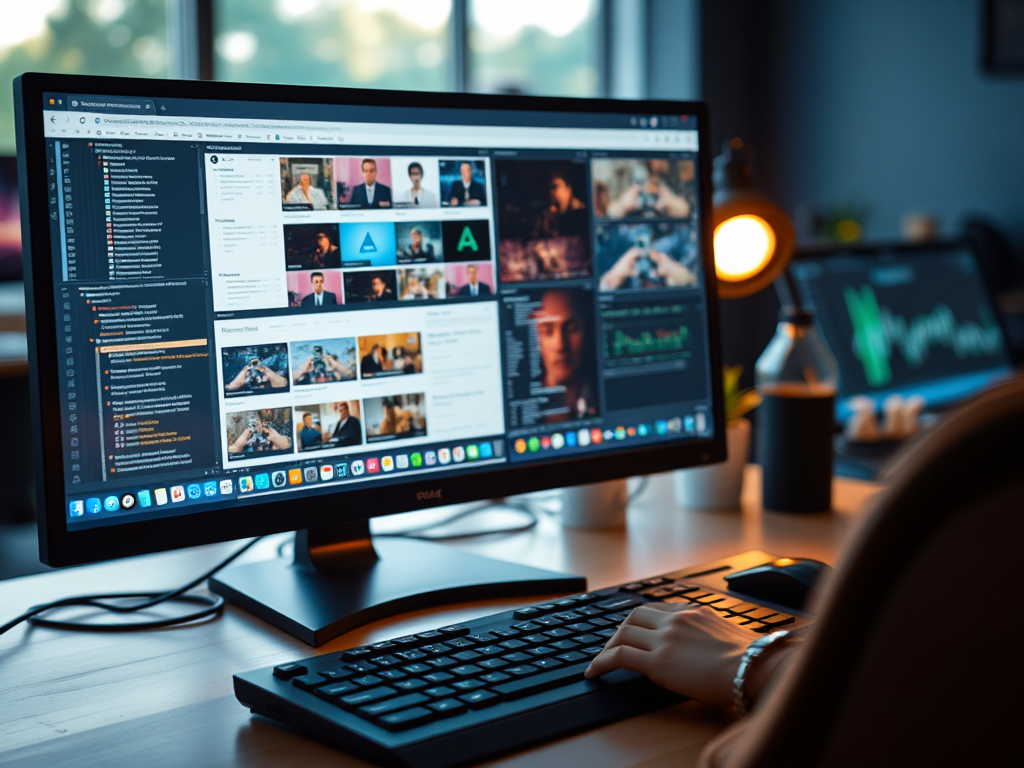
When the new week begins, I head down to my home office. I feel ready to tackle the day ahead. What do I do for most of the next nine hours? Stare at a screen (or three) while immersed in a myriad of tasks. In the modern world, work revolves around programs, apps, email, and technology. These tools have become integral to how we communicate. They also support how we collaborate and create. We coordinate with team members across various time zones. We manage projects through sophisticated software. Each moment in front of these screens feels like a blend of productivity and dependence. The glow of the monitors serves as a reminder of the digital age we’re entrenched in. Every click and keystroke is crucial in navigating through an ever-evolving landscape of information and innovation.
After work, I will meet friends at a local sports bar. I will most likely be distracted from meaningful conversation by noise. The lively chatter of patrons will be excitedly discussing plays and predictions. Yes, screens all around me will display every game imaginable playing for the crowd. They will flash vibrant colors and highlights that compete for my attention. This makes it difficult to focus on the laughter and stories shared among friends. We navigate through the chaotic atmosphere filled with the tantalizing aroma of pub food and the constant clinking of glasses.

Meanwhile, even before driving to Target to pick up supplies, I stop to fill up my gas tank. There, as part of the gas pump, is another screen. Ads and the latest weather report are shown while you wait for the tank to fill. This is another instance of screen overload in everyday life.

Where do most of us eat our evening meal when we’re home? In front of the television screen, a habit that has become almost universal in many households. There are so many options for entertainment. These include streaming services, cable channels, and an endless barrage of shows and commercials. It’s easy to lose ourselves in a virtual world that competes for our attention. As we settle into our couches, plates in hand, we become enthralled by a gripping drama. Sometimes it’s a lighthearted sitcom. We find ourselves completely absorbed in narratives. They easily distract us from the reality of our daily lives. Dining and entertainment have merged. Our evening meals have become a multifaceted experience. Flavors blend with the sights and sounds of the television. This creates a backdrop that shapes our relaxation and social interactions.

Finally, the day’s experiences culminate in screen overload. This is most evident with the device in our hand or pocket. We often find ourselves glued to our smartphones. We endlessly scroll through social media feeds or check emails. This constant connectivity leads to distractions. These distractions can significantly impact our productivity and mental health. They make it increasingly challenging to focus on the tasks at hand. With notifications pinging relentlessly, it’s easy to lose track of time. We often sacrifice moments that could be spent engaging in meaningful face-to-face interactions. We also miss out on enjoying the world around us because of digital engagement.

In recognizing the challenges posed by screen overload, we can take proactive steps to manage our screen time effectively. Setting boundaries around our digital interactions, prioritizing offline activities, and designating tech-free zones can help restore balance to our daily lives. By making conscious choices to limit our exposure, we create opportunities for meaningful connections, both with ourselves and with others. Embracing moments of digital detox allows us to engage fully in the present, rediscover the beauty of our surroundings, and cultivate deeper relationships. Ultimately, a mindful approach to our screen time not only enhances our productivity but also enriches our overall well-being, paving the way for a more fulfilling and connected life.
MOTEVENTURE REACTIONS
Here’s our latest video reaction for your viewing pleasure (on a screen). Like and subscribe!

 MOTEVENTURE
One response to “Look Away: Pushing Back on Screen Fatigue”
[…] LOOK AWAY: PUSHING BACK ON SCREEN FATIGUE […]
LikeLike