
Who among us hasn’t experienced a moment in their career when “business as usual” was insufficient? Given the relentless pace of our work and the immediate accessibility of information, we are expected to confront any crisis that arises throughout the day, addressing it with the same urgency as the latte that fueled our efforts to resolve the situation.
But what transpires when the crisis you are confronted with is not of your own creation, yet you serve as the representative of your company to a particular customer? How do you seek resolution for an issue or challenge in which your expertise is significantly yet rightfully lacking, and you are acutely aware that you lack proficiency in the relevant subject matter?
Experts recommend a series of comprehensive measures that one can implement to thoroughly address the issue at hand, a procedure versatile enough to apply to a variety of scenarios.
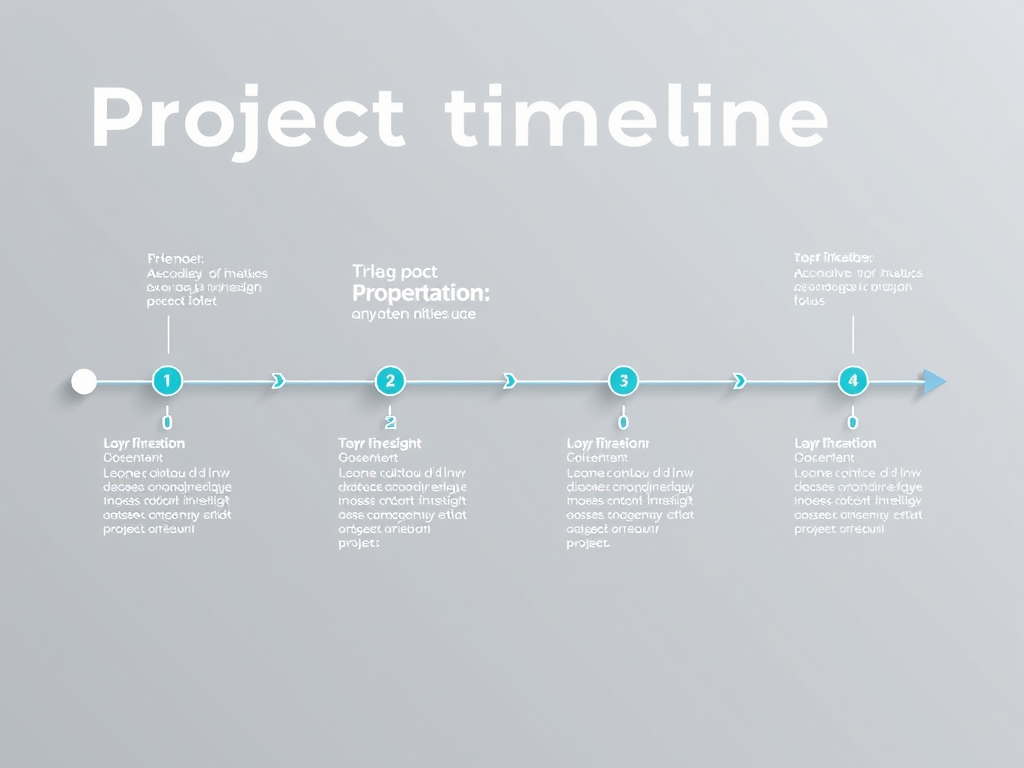
Here we outline several critical strategies for assessing, planning, executing, and evaluating the effectiveness of issue resolution within the workplace:
1. Assess the Situation

- Gather Information: Collect all relevant data related to the issue. This includes documentation, feedback from the customer, and any prior communications.
- Identify Stakeholders: Determine who is directly affected by the issue and who may have influence over the resolution process.
- Analyze the Problem: Break down the issue into manageable components to understand its root causes. Use techniques like the “5 Whys” or fish-bone diagrams to identify underlying factors.
2. Plan the Response
- Define Objectives: Clearly outline what successful resolution looks like. Set measurable goals to guide the process.
- Develop a Strategy: Create a plan that includes the steps needed to address the issue. Consider timelines, resources required, and potential obstacles.
- Engage Stakeholders: Involve others who have expertise or might be affected by the resolution. Collaborate to gather insights and foster buy-in.
3. Execute the Plan

- Implement Solutions: Carry out the strategies developed in the planning phase. Ensure that actions align with established objectives.
- Monitor Progress: Track the implementation process closely. Use project management tools to keep stakeholders informed and engaged.
- Communicate Effectively: Maintain open lines of communication with all stakeholders, including the customer. Provide updates and manage expectations throughout the process.
4. Evaluate the Outcome

- Gather Feedback: After the resolution process, solicit input from stakeholders to gauge their satisfaction and gather lessons learned.
- Measure Success: Compare the results against the objectives defined during the planning stage. Use metrics and KPIs to assess the effectiveness of the resolution.
- Reflect and Adjust: Consider what worked well and what didn’t. Use this evaluation to refine processes for future issue resolution, ensuring continuous improvement.
By following these comprehensive measures, professionals can effectively address workplace issues, even in areas outside their expertise, while maintaining confidence and professionalism.
NOW IT’S YOUR TURN
Sharing our personal stories of issue resolution can foster a sense of community and empower others facing similar challenges. We invite you to reflect on your own career experiences—times when you navigated through complex issues and found a successful path forward. Whether you overcame significant obstacles, learned valuable lessons, or discovered creative solutions, your journey can inspire fellow professionals. By sharing your story, you not only contribute to the collective wisdom of our community, but you also pave the way for others to approach their challenges with renewed confidence and insight. Let’s come together to celebrate our achievements and the valuable lessons we’ve learned along the way!


Hey there — I’m Jon. This is Moteventure, my corner of the internet where music, movies, lists, and life all collide. Glad you’re here.